 Money-back guarantee















Vitamins and Supplements for Dogs
Vitamins play a crucial role in your dog's health and well-being, just as they do for humans. Understanding which vitamins are necessary and how they help your dog can greatly contribute to their growth, longevity, and quality of life. In this article, we will explore the importance of vitamins for dogs, the different essential vitamins, their sources, and how to ensure your pet receives enough through their diet, as well as why it's beneficial to use Weloca dietary supplements which are rich in vitamins.
Why are vitamins important for dogs?
Vitamins and minerals for dogs are essential nutrients that support many bodily functions. They play a key role in metabolism, growth, the immune system, and your pet's overall health. A deficiency or excess of vitamins can lead to various health problems, ranging from fatigue and digestive issues to more serious conditions like heart disease or developmental disorders.
The benefits of vitamins and where to find them in nutrition
There are several crucial vitamins for canine health, each with specific functions:
1. Vitamin A
Vitamin A is essential for vision, growth, immune system development, and skin and coat health. A vitamin A deficiency can lead to vision problems and weakened immunity.
Sources: Liver, carrots, spinach, sweet potatoes contain vitamin A.
2. B-Group Vitamins
B vitamins are a group of water-soluble vitamins that include B1 (thiamine), B2 (riboflavin), B3 (niacin), B5 (pantothenic acid), B6 (pyridoxine), B7 (biotin), B9 (folic acid), and B12 (cobalamin). They are crucial for energy metabolism, brain health, and red blood cell formation.
Sources: Meat, fish, eggs, dairy products, yeast contain B vitamins.
3. Vitamin C
Vitamin C is a powerful antioxidant that helps reduce inflammation and support the immune system. Although dogs can synthesize vitamin C, supplements may be beneficial in situations of stress or illness.
Sources: Liver, green vegetables, fruits like oranges and strawberries provide vitamin C.
4. Vitamin D
Vitamin D is essential for bone health, as it regulates calcium and phosphorus absorption. A deficiency can lead to bone and muscle problems.
Sources: Fatty fish, liver, and eggs provide vitamin D.
5. Vitamin E
Vitamin E is an important antioxidant that protects cells from damage. It is also crucial for skin and coat health.
Sources: Vegetable oils, nuts, seeds, and green vegetables are rich in vitamin E.
6. Vitamin K
Vitamin K is essential for blood clotting and bone health. A deficiency can lead to excessive bleeding and healing problems.
Sources: Leafy green vegetables, liver, and fish are rich in vitamin K.
The power of Weloca's natural dietary supplements
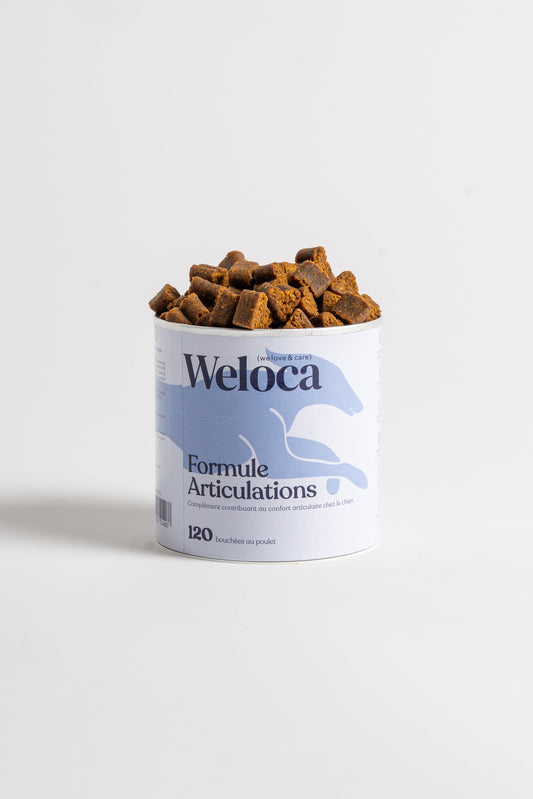
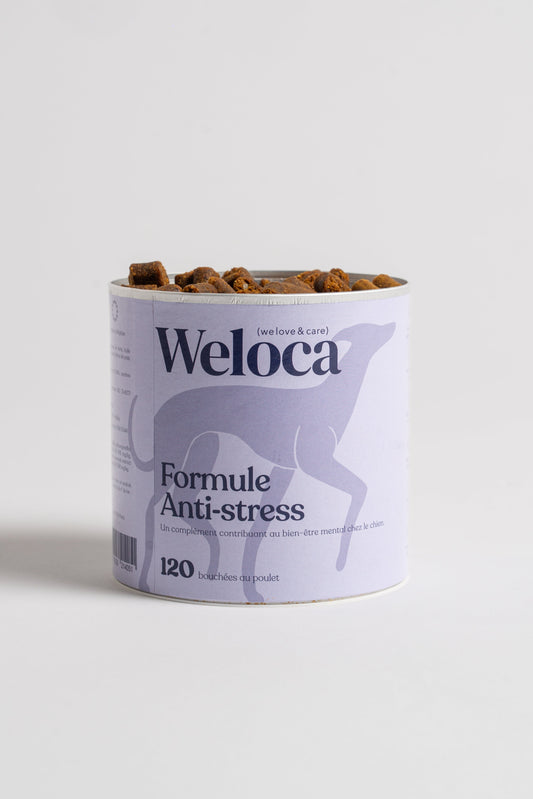
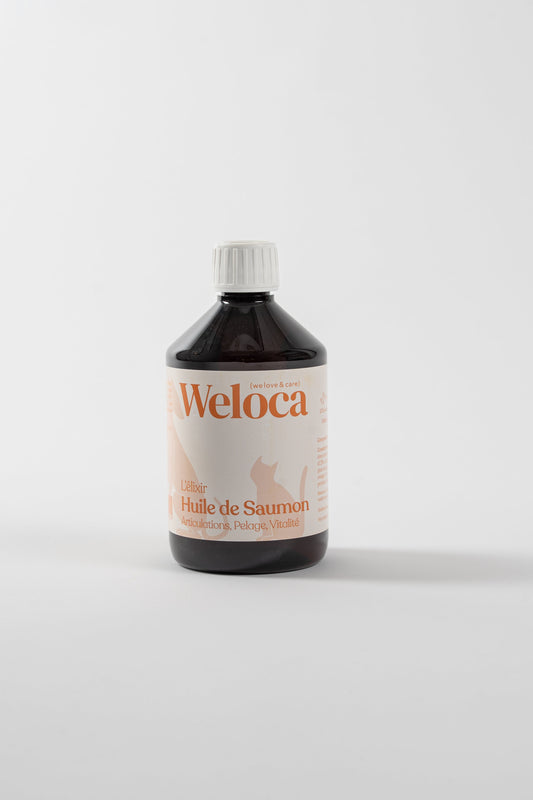
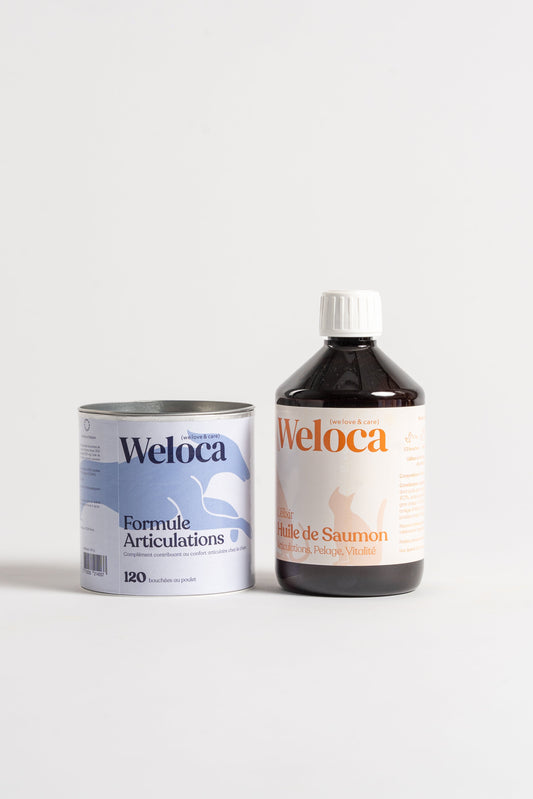
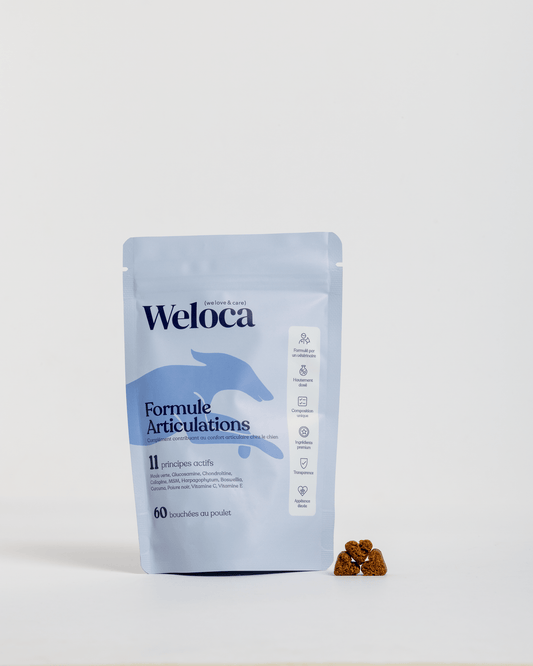
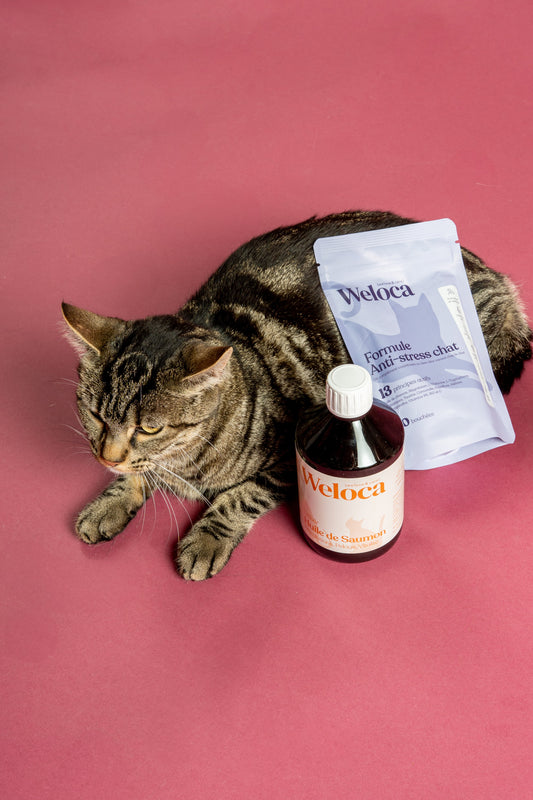
At Weloca, we understand the importance of a balanced diet for your dog's health. That's why we offer a range of natural dietary supplements specially formulated to meet the unique nutritional needs of each dog. Our dietary supplements are designed with high-quality ingredients, rich in essential vitamins and nutrients, to support your pet's overall well-being. Whether it's to strengthen the immune system, improve joint health, or promote a shiny coat and healthy skin, Weloca's dietary supplements are an effective way to ensure your dog receives the necessary nutrients to live an active and healthy life. By integrating Weloca's dietary supplements into your dog's diet, you offer them an optimal solution to fill any nutritional deficiencies and help your dog live better every day.
To discover our complete range of dietary supplements and find the one that best suits your dog, find more information here.
How to ensure your dog gets enough vitamins and minerals
1. A balanced diet to ensure your dog's well-being
The best way to ensure your dog receives all the necessary vitamins and minerals is to provide them with a balanced and complete diet. High-quality complete dog foods are formulated to contain all the necessary vitamins and nutrients. However, it is important to choose reputable brands and check labels to ensure they meet your dog's nutritional needs.
2. Vitamin-based dietary supplements
In some cases, vitamin supplements may be necessary, especially if your dog has specific needs or particular medical conditions. Always consult a healthcare professional before offering complementary foods to your dog to avoid any risk of overdose.
3. Monitoring for Signs of Deficiency or Excess
It is crucial to monitor for signs of vitamin and mineral deficiency or excess in your dog. Symptoms of deficiency can include fatigue, loss of appetite, skin problems, and digestive issues. Conversely, an excess of certain vitamins, such as vitamin A or D, can be toxic and lead to serious symptoms such as bone pain, vomiting, and weight loss.
The Long-Term Benefits of Vitamins for Dogs
Providing your furry friend with the vitamins they need can have significant long-term benefits. Adequate nutrition can help prevent diseases, improve cognitive function, strengthen the immune system, and help reduce itching. Additionally, a vitamin-rich diet can help your dog improve their overall quality of life, making them more energetic and happy.
Conclusion
Vitamins are essential for the health of our four-legged friends. By understanding the roles of different vitamins and ensuring your dog receives a balanced diet, you can help guarantee a long and healthy life for your canine companion. Always consult your veterinarian for personalized advice on your dog's nutritional needs and to determine if dietary supplements are necessary. Paying close attention to your dog's diet can make all the difference to their long-term health.
For more information on dog care and nutrition, visit our Weloca website and discover our complete range of products for your pet's well-being.
FAQ - Vitamins for dogs
Which vitamins should I give my dog?
For a dog, essential vitamins include vitamin A, B vitamins (such as B1, B6, and B12), vitamin D, vitamin E, and vitamin K. Weloca's dietary supplements for dogs are designed to provide these essential nutrients, contributing to the health of the skin, coat, bones, and immune system. Be sure to consult a veterinarian before giving your dog supplements.
How do I know if my dog is lacking vitamins?
To know if your dog is lacking vitamins, look for signs such as a dull coat, unusual fatigue, digestive problems, or growth issues. Consult a healthcare professional for an accurate diagnosis.
How can I boost my dog's energy?
To boost your dog's energy, you can use Weloca's dietary supplements. They are formulated to improve energy, strengthen the immune system, and promote a healthy coat. Consult a veterinarian to determine your dog's specific needs and choose the appropriate Weloca products.
How can I ensure my dog is healthy?
To keep your dog healthy, provide a balanced diet, regular exercise, regular vet check-ups, good hygiene, use Weloca dietary supplements, and give them love and attention.
Also read: